[email protected] +91 772-2987-077
Falling walls: On building collapses

Falling walls: On building collapses. 

India’s buildings need widespread rehabilitation work. 

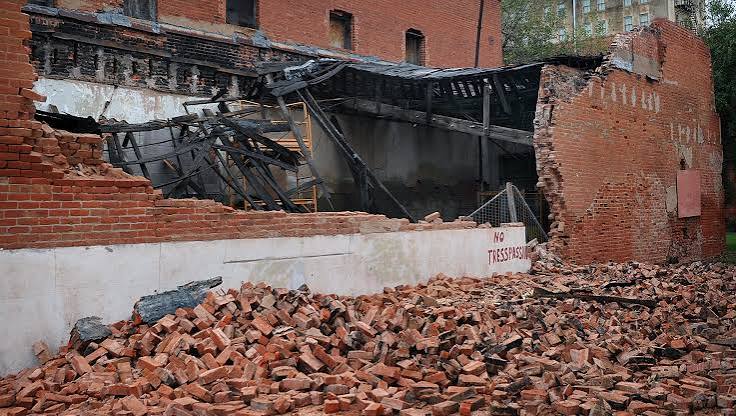
In September 2020, the Bhiwandi Municipal Corporation in Maharashtra placed the Kohinoor building on its ‘danger’ list around the same time the Jilani building collapsed a few kilometres away, killing 41. Six years on, and hours after officials declared the Kohinoor to be unsafe again and evacuated around 40 residents, it collapsed, killing 10. In the half decade in between, the owners had refused to vacate or redevelop the property and instead undertook unauthorised repairs. While the fall of the Jilani building, which was old but not on a ‘dangerous’ list, was a failure of anticipation, that of the Kohinoor building, on such a list and which fell mid-repairs, implies a failure of enforcement. Yet, the State responded similarly in both instances, by suspending officials in 2020 and filing a criminal case against the contractor now. Bhiwandi, one of India’s largest powerloom hubs, has a large low-income migrant population living in small houses in densely packed neighbourhoods. With hundreds of buildings on the ‘danger’ list and no transit camps or temporary housing, residents often choose unsafe homes over homelessness, while owners continue collecting rent. Evacuation orders are also hard to enforce without police support, while allowing the corporation to claim that legal liability has been discharged on paper; demolitions are politically fraught. That both buildings collapsed during the monsoons is also not coincidental

India treats infrastructure as an asset with a one-time investment. The post-2000s construction boom only outpaced maintenance work and administrative oversight, with the latter having fragmented further since. In mid-2024, roofs/canopies collapsed at airports in Delhi, Jabalpur, and Rajkot while Bihar had a spate of collapsing bridges in 2024-26. Roads have frequently caved in and basements have flooded in tier-I cities, including in the Rajinder Nagar tragedy. This year, similar collapses have also been reported in Kolkata and Pune. Despite the availability of technologies to continuously monitor structures and issue early warnings, urbanisation has outrun municipal capacity, with most of the resulting failures involving a known hazard. The apparent rise in the frequency of these incidents indicates a lack of attention to construction quality as much as greater media coverage and there being more infrastructure to fail. But in place of the state’s almost instinctive responses in the form of legal and disciplinary action, inquiries and promises of audits, and victim compensation, India’s buildings need widespread rehabilitation work. Nothing short of an urban renewal would do.

-

Collapse (noun) – Failure, Breakdown, Fall, Demise, Crumble

ढहना

-
Widespread
(adjective) – extensive, prevalent, general, common, pervasive

व्यापक

-
Rehabilitation (noun) – Restoration, renewal, re-establishment

पुनर्वास


-

Place on - (phrasal verb) - to put someone or something onto a specific list, record, or position

सूची में दर्ज करना

-
Collapse
(verb) – Break down, ruin, downfall, breakdown,

fall ढहना, एकाएक गिरना

-

Evacuate (verb) – Clear, vacate, empty, abandon, leave

खाली करना

-
Decade
(noun) – A period of 10 years

दशक

-

Vacate (verb) – Abandon, empty, leave, evacuate, quit

खाली करना

-

Undertake - (verb) - assume, take on, shoulder, embark on, commit to

हाथ में लेना

-

Anticipation (noun) – Expectation, foresight, prediction, forethought, expectancy  

पूर्वानुमान

-

Imply (verb) – Suggest, indicate, hint, insinuate, signify

संकेत देना

-

Enforcement - (noun) - execution, implementation, application, imposition, compulsion

अनुपालन

-
Instance
(noun) – example, occasion, occurrence, case

उदाहरण, घटना

-
Migrant
(adjective) – travelling, wandering, moving, migrating, migratory

प्रवासी

-

Densely (adverb) – Heavily, thickly, compactly, closely, tightly

घनी आबादी से

-

Neighbourhoods (noun) – Localities, districts, areas, regions, quarters

पड़ोस

-Transit camp - (noun) - a temporary accommodation or facility set up for displaced persons or migrants

पारगमन शिविर


-
Often
(adverb) – Frequently, repeatedly, regularly,

अक्सर

-

Evacuation - (noun) - clearance, removal, withdrawal, vacation, exodus

निकासी

-

Enforce (verb) – Implement, execute, apply, administer, impose

लागू करना


-

Discharge - (verb) - fulfill, execute, perform, release, dismiss

पूरा करना

-
Demolition (noun) – Destruction, dismantling, tearing down, knocking down, razing

विध्वंस


-

Fraught - (adjective) - filled, laden, charged, teemful, risky

जोखिम भरा

-

Coincidental (adjective) - accidental, chance, flukey, fortuitous, unintentional

इत्तेफाक से/संयोगवश

-
Infrastructure
(noun) – the basic systems and services that are necessary for a country or an organization

बुनियादी ढाँचा, अवसरंचना

-

Asset (noun) – resource, property, possession, holding, capital

संपत्ति

-
Boom
(noun) – Surge, increase, upswing, growth

उछाल, तेजी

-

. Outpace (verb) - surpass, exceed, outdo, outstrip, overtake

पीछे छोड़ना

-
Oversight (noun) – supervision, surveillance, superintendence, inspection निगरानी

-

The latter (noun) - the second one, the last mentioned, the second item  

बाद वाला

-

Fragmented (adjective) – Broken up, divided, splintered, disintegrated, shattered 

खंडित

-

Canopy - (noun) - awning, shade, roof, cover, shelter

छतरी

-

Spate - (noun) - series, wave, flurry, rush, flood

बाढ़

-

Cave in (phrasal verb) – Collapse, fall in, give way, crumble, subside

धंसना


-

Urbanisation (noun) – Urban development, city growth, metropolitan expansion, urban sprawl

शहरीकरण

-

Outrun - (verb) - outstrip, exceed, surpass, leave behind, outdistance

गति से आगे निकल जाना

-
Hazard
(noun) – danger, risk, peril, threat

खतरा

-
Apparent
(adjective) – obvious, evident, clear, manifest, plain

स्पष्ट

-

In place of - (phrase) - instead of, as a substitute for

के बजाय

-

Instinctive - (adjective) - intuitive, innate, spontaneous, automatic, natural

स्वाभाविक

-
Audit
(noun) – an official examination of records

लेखा-परीक्षण

-
Compensation
(noun) – money, awarded to someone in recognition of loss, suffering, or injury.

मुआवजा

-
Widespread
(adjective) – extensive, prevalent, general, common, pervasive

व्यापक

-

Nothing short of - (phrase) - used to emphasize that something is exactly or completely a particular thing, often remarkable or extreme

किसी भी तरह से कम नहीं