[email protected] +91 772-2987-077
Series of gaps

Series of gaps: on underreporting of child sexual abuse. 

 Distrust of police has led to underreporting of child sexual abuse. 

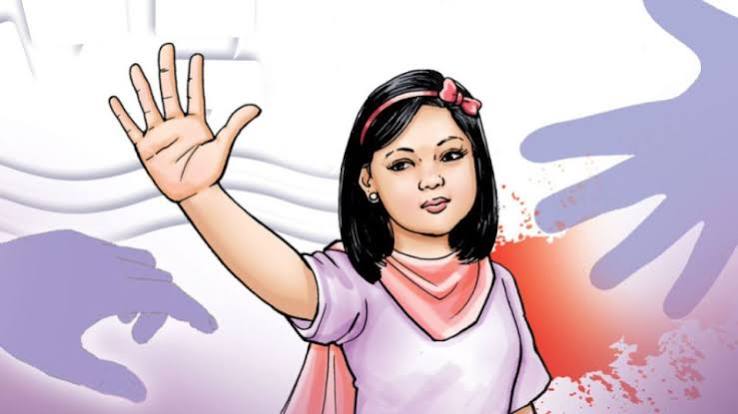
Child sexual abuse in India remains persistently under-reported and the state response to it has shown up trenchant systemic inefficiencies. In over 90% of cases, including the recent Sulur case in Coimbatore in which a charge sheet was filed last week, the threat to a child is from within the family’s trusted circles. Public imagination often fixates on predatory strangers, which is not conducive to helping families and communities identify a risk in time. Migrant and working-class communities are especially at risk as they are less integrated in local protective social networks. Second, abandoned industrial sites and poorly maintained common land tend to become crime scenes. But despite the ‘Safe City’ project and the recognition of child-friendly urban development paradigms, urban redesign still focuses on core areas of major metros. The social safety dimensions of urban wetland restoration, like that of the Noyyal river, are often overlooked as well. Next, while POCSO trials are required to conclude within a year of the special court taking cognisance, POCSO courts face an 89% pendency rate and conviction rates have historically ranged between 3% and 30%, undermining confidence in the police and judiciary. The Sulur case prompted promises of swift action, but this is only one case; systemic reforms to protect vulnerable children remain elusive. In 2024, the NCRB recorded 69,191 POCSO cases involving more than 70,000 child victims.

Public distrust discourages residents from reporting suspicions and encourages families fearing police apathy to search for missing children themselves, potentially allowing the perpetrators to hide evidence or flee. Ultimately, when the state fails to deliver due punishment, the people perceive the police to be a bureaucratic hurdle, leaving children more vulnerable. Repeatedly strengthening penalties merely suppresses reporting in most cases where the offender is familiar. Even the 2018 and 2019 amendments to the POCSO Act reacted to public outrage rather than considered evidence and focused on harsher punishments. Both comprehensive longitudinal data on recidivism and analyses of whether harsher legal penalties are effective deterrents remain scarce. While data collection has improved, the Ministry of Women and Child Development has noted that qualitative analyses of acquittals rarely inform policy changes. Finally, survivors and families face secondary victimisation from insensitive administrative responses and media reports. Together with the lack of policing informed by trauma response and stigma, true safety continues to evade thousands of children leaving them vulnerable to a cycle of unreported and unpunished violence.

-
Abuse
(noun) – Mistreatment, exploitation, wronging

शोषण

-Distrust (noun) - suspicion, mistrust, doubt, skepticism, wariness.

अविश्वास


-

Lead (to) (verb) – Result in, cause, bring about, give rise to, provoke
कारण बनना

-
Persistently
(adverb) – In a persistent manner; continuously. लगातार

-
Trenchant
(adjective) – incisive, biting, sharp, caustic, cutting, Severe

तीखा

-
Inefficiency
(noun) – Ineffectiveness, unproductiveness, incompetence

 अक्षमता

-
Often
(adverb) – frequently, in many instances, repeatedly, again and again

अक्सर

-

Fixate (verb) - obsess, focus, dwell, preoccupy, concentrate.

ध्यान केंद्रित करना (जुनून की हद तक)

-

Predatory (adjective) - exploitative, hunting, rapacious, voracious, aggressive.

हिंसक (शोषणकारी)

-
Stranger (noun) – outsider, newcomer, unknown, foreigner

अजनबी

-
Conducive
(to) (adjective) – Favorable, beneficial, advantageous, helpful, supportive

सहायक

-
Abandoned
(adjective) – deserted, forsaken, cast aside, cast off

परित्यक्त/ त्यागा हुआ

-

Tend to (phrasal verb) - to incline or lean

झुकाव होना

-

Paradigm (noun) – Model, framework, pattern, example, system

प्रतिमान


-
Core (noun) – Center, nucleus, heart, essence, hub

केंद्र


-

Dimension (noun) – An aspect or feature of a situation, problem, or thing.

आयाम

-

Wetland (noun) - an area of land that is permanently or seasonally covered with water and supports water-loving plants and animals

आर्द्रभूमि

-

Restoration (noun) – reinstatement, re-establishment, return, renewal

बहाली

-

Overlook (verb) – Miss, fail to notice, neglect

अनदेखा करना


-

Conclude (verb) – Finish, complete, end, finalize, resolve

समाप्त करना

-

Take cognisance (phrase) - to notice and take into judicial account.

संज्ञान लेना

-

Conviction rate (noun) – the percentage of cases that result in a guilty verdict.

दोषसिद्धि दर

-

Undermine (verb) – weaken, diminish, erode, sabotage, damage

कमजोर करना

-
Prompt
(verb) – provoke, cause, bring about, generate

प्रेरित करना

-

Swift (adjective) – quick, rapid, fast, prompt, immediate

त्वरित

-

Vulnerable (adjective) – at risk, susceptible, exposed, defenseless, weak

असुरक्षित

-
Elusive
(adjective) – Difficult to find, evasive, slippery, hard to pin down

दुर्लभ

-

Discourage (verb) – Deter, dissuade, prevent, hinder

हतोत्साहित करना

-
Apathy (noun) – indifference, lack of interest, unconcern, disinterest, lethargy

उदासीनता

-
Potentially
(adverb) – Probably, possibly

संभावित रूप से

-

Perpetrator (noun) – Culprit, Offender, Criminal, Wrongdoer

अपराधी

-
Flee
(verb) – escape, run away, get away, bolt, leave

भाग जाना

-
Ultimately
(adverb) – Eventually, finally, in the end

  अंततः

-

Perceive (verb) – Discern, recognize, notice, see, become aware of

समझना

-

Bureaucratic (adjective) – Official, Administrative, Organizational, Procedural, Formal

नौकरशाही संबंधित

-
Strengthen
(verb) – reinforce, enhance, increase, intensify, fortify

मजबूत करना

-

Suppress (verb) – restrain, hold down, curb, inhibit, stifle

दबाना

-

Offender (noun) – Culprit, wrongdoer, delinquent, transgressor

अपराधी

-
Amendment
(noun) – change, modification, revision, alteration, improvement

संशोधन

-
Outrage
(noun) – Indignation, anger, rage, ire, resentment

आक्रोश

-

Harsher (adjective) - stricter, more severe, more rigorous, sterner.

कठोरतर

-
Comprehensive
(adjective) – including all or everything

व्यापक

-

Recidivism (noun) - reoffending, relapsing into crime.

पुनरावृत्ति (अपराध की)

-

Deterrent (noun) – Obstacle, hindrance, impediment, barrier, discouragement

निवारक

-

Scarce (adjective) – limited, rare, meagre, insufficient, scant –

दुर्लभ

-

Acquittal (noun) - absolution, clearance, exoneration, discharge, dismissal.

दोषमुक्ति

-

Victimisation (noun) - unfair treatment, oppression, persecution.

उत्पीड़न

-
Insensitive
(adjective) – heartless, unfeeling, inconsiderate, thoughtless, thick-skinned असंवेदनशील

-
Trauma
(noun) – Distress, Agony, Torment, Shock, Upset

आघात

-

Stigma (noun) – shame, disgrace, dishonor

कलंक

-
Evade
(verb) – avoid, dodge, elude, escape, sidestep

बचना