[email protected] +91 772-2987-077
A jab well done

A jab well done: On India’s Human Papillomavirus vaccination programme. 

 Following up of adverse events after immunisation is a must. 

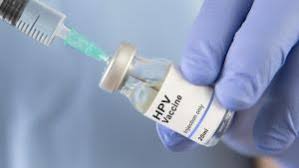
India’s move to introduce a nationwide Human Papillomavirus (HPV) vaccination programme, for girls aged 14, strikes a strident note for science at a time when an anti-vaccination sentiment has perilously picked up favourable winds, globally. The impact of shunning vaccines is apparent in the United States where, currently, a measles epidemic is making its way across 26 States. The HPV vaccination will be conducted exclusively at designated government health facilities, and in the presence of trained medical officers, supported by skilled health-care teams equipped for post-vaccination observation and management of adverse events following immunisation (AEFI). A single-dose vaccine, a regimen recommended by the World Health Organization, will be deployed. Adequate evidence exists to show that almost all cases of cervical cancer are caused by persistent infection with high-risk types of HPV, particularly 16 and 18. These two types together account for more than 80% of cervical cancer cases in India. Evidence also points to the fact that cervical cancer is largely preventable through HPV vaccination and regular screening, and can be cured if detected early and treated promptly. Globally, over 90 countries are implementing single-dose HPV vaccination schedules. Several countries have demonstrated substantial reductions in HPV infection, pre-cancerous lesions, and cervical cancer incidence following widespread vaccination. Cervical cancer remains a rare cancer where a vaccine has proven to be of great preventive value.

The sheer burden of cervical cancer in India is what makes this decision a critical life-saving intervention: The South-East Asia Region (SEARO) accounts for the second-highest cervical cancer incident (new cases) and death rate among WHO regions, with India contributing over 65% of the burden. The second most common cancer in women in India, it was estimated that the country had 127,526 new cases and 79,906 deaths from cervical cancer in 2022. National screening coverage remains alarmingly low, with only 1.9% of women aged 30-49 being tested. However, India’s dark past with an HPV vaccine trial cannot be forgotten. Seven girls who were part of a trial in 2009-10 in Andhra Pradesh and Gujarat died. An ICMR investigation averred that the reasons “were most probably unrelated to the vaccine. However, the cause of death in all the cases cannot be established with certainty”. It also flagged, as a key concern, the need to identify and investigate all AEFI. As the government embarks on this exercise that could lead to many health gains, it will do well to ensure a working cold chain to store the vaccines, complete transparency, and meticulous reporting of AEFI across the country.

-
Jab
(noun) – vaccination, injection, inoculation

टीका, इंजेक्‍शन

-

Follow up (phrasal verb) - to continue a previous action or check the progress of something after an initial stage

नियमित जांच या अनुवर्ती कार्रवाई

-
Adverse
(adjective) – Unfavorable, harmful, opposing

प्रतिकूल

-
Immunisation
(noun) – vaccination, inoculation

टीकाकरण

-

Must (noun) – necessity, imperative, requirement, essential, prerequisite

अनिवार्यता

-
Nationwide
(adjective) – Countrywide, national

देशव्यापी

-

Strikes a strident note (idiom) - to express a point of view in a forceful, strong, or harsh manner

अपनी बात को मजबूती या स्पष्टता से रखना

-
Sentiment
(noun) – opinion, view, attitude

भावना

-
Perilously
(adverb) – in a way that is dangerous or risky

खतरनाक तरीके से

-

Pick up (phrasal verb) - to increase, improve, or gain momentum and strength

तेजी पकड़ना या बढ़ना

-

Shun (verb) - avoid, evade, eschew, reject, spurn

दूर रहना या त्यागना

-
Apparent
(adjective) – obvious, evident, clear, manifest, plain

स्पष्ट

-
Measles
(noun) – an acute viral respiratory illness(a bright red rash of small spots)

खसरा/ चेचक

-

Epidemic (noun) – Outbreak, pandemic, plague, scourge, infestation

महामारी

-

Make someone’s way (phrase) - to move, advance, or progress steadily towards a destination

आगे बढ़ना या फैलना

-
Designated
(adjective) – chosen, selected, deputed, delegated

निर्दिष्ट

-
Facilities
(noun) – something designed to provide a service or fulfill a need

सुविधाएँ

-
Following
(preposition) – after, next, subsequent, later, ensuing

के बाद

-

Regimen (noun) - course, system, procedure, program, schedule

उपचार पद्धति

-
Deploy
(verb) – organize, position, install, set up

तैनात करना

-
Persistent
(adjective) – Constant, continuous, relentless, unyielding

लगातार

-

Account for (phrasal verb) - to form a particular amount or part of something; to explain the cause of something

उत्तरदायी होना या हिस्सा होना

-
Point
out (phrasal verb) – indicate, mention, note, highlight, emphasize

इशारा करना

-
Screening
(noun) – Inspection, testing, diagnosis, checking

जाँच

-
Promptly
(adverb) – immediately, quickly, without delay, instantly

तुरन्त

-
Demonstrate
(verb) – show, prove, display, manifest, evidence

प्रदर्शित करना

-
Substantial
(adjective) – sizeable, considerable, significant, large, ample काफी        

-

Lesion (noun) - injury, wound, sore, ulcer, abrasion

घाव या क्षति

-
Widespread
(adjective) – extensive, prevalent, general, common, pervasive

व्यापक

-
Sheer
 (adjective) – utter, complete, absolute, total, pure

पूर्ण

-

Alarmingly (adverb) – Disturbingly, shockingly, worryingly, frighteningly, unsettlingly

चिंताजनक ढंग से

-

Dark past (phrase) - a period of time in the past characterized by tragedy, secrecy, or unethical behavior

अंधकारमय अतीत

-
Aver (verb) – declare, maintain, claim, assert, state दृढ़ता से कहना

-

Flag (verb) – Indicate, signal, mark, highlight, point out
संकेत देना

-

Embark (on) (verb) – Begin, start, initiate, launch

शुरू करना

-

Lead to (phrasal verb) - to result in a particular outcome or situation

परिणाम होना

-

Meticulous (adjective) – Careful, precise, scrupulous, thorough, diligent

अति सावधान