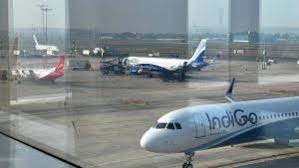
Chaos foretold : on the Indigo crisis, air safety.
Indigo seems to have wilfully misread the plan for changes to crew duty hours.
‘Controlled flight into aviation chaos’ is an apt phrase to describe what Indigo, India’s largest private airline, caused since last week during peak travel season, the golden month of December. The widespread disruption, which continues in the domestic sector, saw a spectrum of passenger distress — social, holiday and business plans disrupted, medical patients in anguish, senior citizens in agony and even defence personnel posted at the Siachen Glacier left stranded midway while rushing home, in south India, for a 10-day break. There are many more untold stories at airports across India. Interestingly, the airline’s international flights were estimated to be less than 10% of the cancellations, as they ensure a higher revenue flow but also tough passenger compensation rules. The carrier’s official explanation was ‘unforeseen operational challenges’, from technology glitches, schedule changes, weather conditions, and the implementation of updated crew rostering rules (Flight Duty Time Limitations, or FDTL). At the heart of the issue was the airline’s baffling misreading of the last reason cited — of the two-phase plan by the Directorate General of Civil Aviation (DGCA) to regulate flight crew duty hours, in alignment with global safe practices. These include an increase in the mandatory weekly rest period for pilots from 36 hours to 48 hours, a weekly cap on landings between midnight and early morning from six to two, restricted pilot flying hours on flights extending into night hours, and personal leave not being counted in the 48-hour weekly rest period. The regulations, initially proposed in early 2024, had a final implementation date set from November 1, 2025.
With the issue finding resonance in Parliament, there were appeals made to the airline’s management to restore services. DGCA data shows the airline having disproportionately increased its domestic flights from 14,158 in summer to 15,014 in the winter schedule against an availability of 4,551 Airbus flight deck crew. Even though responses have been sought from and directives issued to the airline, in addition to fare caps introduced for other airlines, the meltdown has only raised a core point — why the aviation market, largely a private airline-run duopoly, was allowed to slide into disorder as seen in the Ministry’s responses much after the upheaval. With temporary waivers in the FDTL having been granted to the airline as a one-time measure to help it restore its schedules, pilot bodies are right in flagging what they term as a dilution of safety measures and crew welfare. The lessons are clear: the Indian air passenger deserves better compensation and rights. And the regulator must ensure stringent monitoring, without fear or favour, of every airline, big or small.